
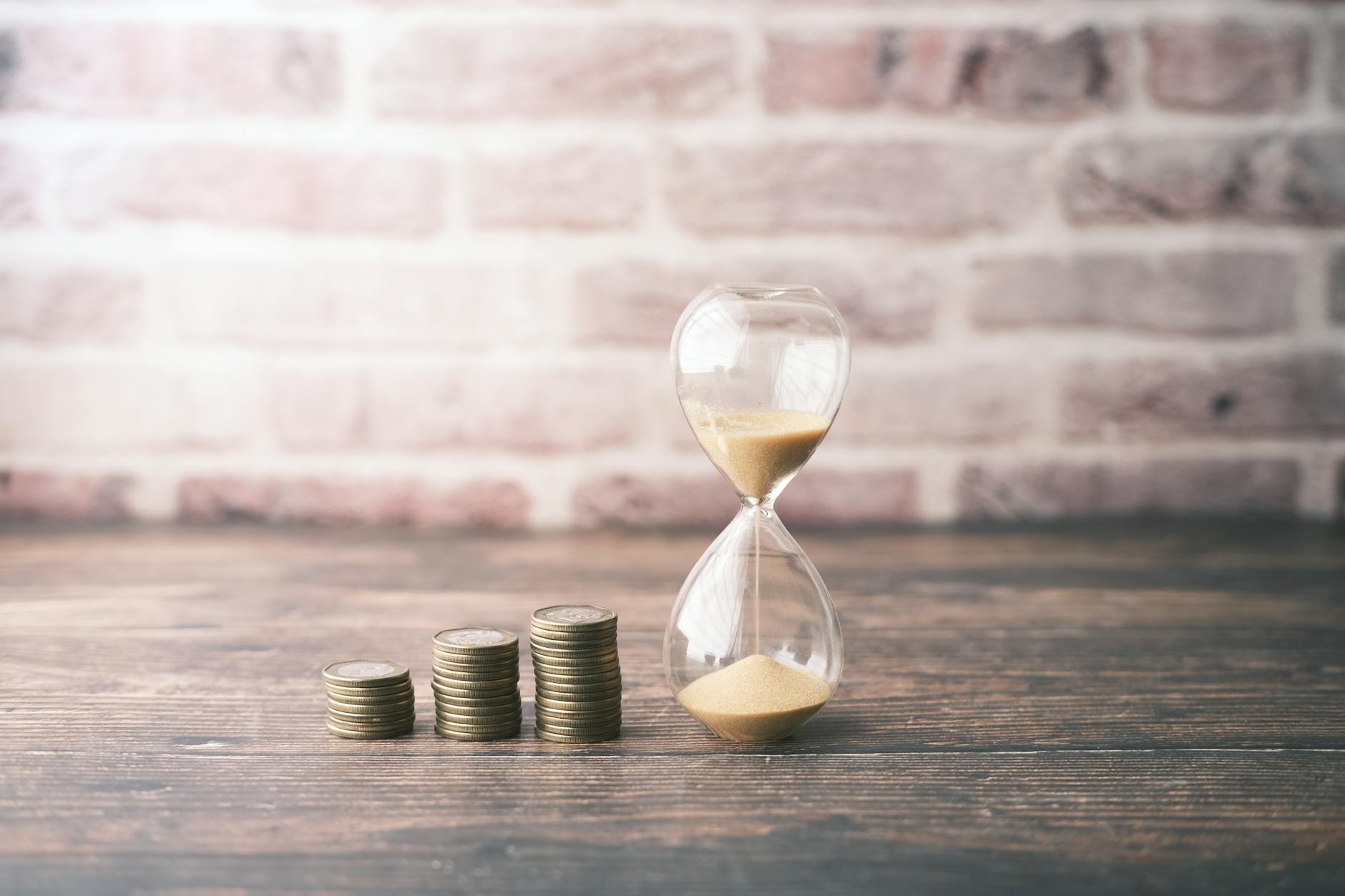

Why Your Free Time is Worth More Than You Think
In the relentless rhythm of modern life, packed with deadlines, to-do lists, and the ever-present hum of digital notifications, it’s easy to view free time as a luxury – a fleeting reward for a job well done, or perhaps a commodity to be filled with more “productive” activities. We often quantify our worth in hours worked, projects completed, or money earned. But what if we’ve been looking at the equation all wrong? What if the true measure of our wealth lies not in what we accumulate, but in what we do with the moments we have left over?
This blog post dives deep into the profound, often underestimated value of your free time. We’ll explore why it’s not just downtime, but a vital resource for your well-being, creativity, and overall life satisfaction. By understanding its true worth, you can begin to reclaim it, protect it, and leverage it to build a richer, more fulfilling existence.
The Myth of “Unproductive” Free Time
Our society is deeply entrenched in a hustle culture. Success is often equated with constant activity and visible output. This breeds a subconscious belief that time not spent working, earning, or actively achieving something is inherently a waste. This is a dangerous misconception.
Consider the common phrases we use: “I’m so swamped, I have no free time,” or “I finally have a moment to myself.” These imply that free time is a scarcity, something to be rationed or earned. This perspective devalues the very moments that can offer rejuvenation, insight, and genuine happiness.
The Subtle Pressure to Perform
Even in our leisure, we can feel pressure to “optimize.” We might feel compelled to use our free time for:
- Skill development: Learning a new language, taking an online course, practicing an instrument. While valuable, this can turn relaxation into another form of obligation.
- Social networking: Constantly scrolling through social media, comparing our lives to curated online personas.
- Errands and chores: Using weekends to catch up on housework or appointments, effectively extending the work week.
- “Productive” hobbies: Gardening with the goal of selling produce, crafting with the sole aim of Etsy sales.
When free time becomes just another arena for performance, its intrinsic restorative and creative power is diminished. We end up feeling exhausted, not rejuvenated.
Free Time as a Buffer Against Burnout
Burnout isn’t just feeling tired; it’s a state of emotional, physical, and mental exhaustion caused by prolonged stress. It drains motivation, saps productivity, and can lead to cynicism and a sense of detachment. Free time, when treated as a crucial recovery period, acts as a powerful antidote to burnout.
Think of your mind and body like a rechargeable battery. Continuous use without periods of rest and replenishment leads to depletion. Free time is not just a break from work; it’s essential for the restoration required to perform effectively when you are working. Without adequate free time, our ability to focus, solve problems, and maintain emotional resilience plummets.
The Multifaceted Value of Free Time
Your free time is a fertile ground for a plethora of benefits, impacting various facets of your life:
1. Mental and Emotional Well-being
This is perhaps the most immediate and impactful benefit. When you allow yourself genuine downtime, you give your brain a chance to switch off from the demands of your daily routine.
- Stress Reduction: Engaging in activities you enjoy, or simply doing nothing at all, can lower cortisol levels, the body’s primary stress hormone. This leads to a calmer, more relaxed state.
- Improved Mood: Free time allows for activities that bring joy and satisfaction, boosting neurotransmitters like dopamine and serotonin. This combats feelings of sadness and anxiety.
- Enhanced Resilience: Regular breaks and rejuvenation allow you to bounce back from life’s challenges more effectively. You develop a greater capacity to cope with stress and setbacks.
- Mindfulness and Presence: When not rushing from one task to another, you can be more present in the moment. This mindful engagement with your surroundings and activities deepens your appreciation for life.
Example: Imagine ending a hectic work week. Instead of immediately tackling a mountain of chores, you decide to spend an hour reading a captivating novel, or walking in nature without a specific destination. This act of deliberate pause can significantly shift your emotional state, turning a potentially overwhelming weekend into a restorative one.
2. Creativity and Innovation
Many of the most brilliant ideas don’t emerge from intense brainstorming sessions, but from moments of quiet contemplation, daydreaming, or engaging in unrelated, effortless activities.
- The Power of Incubation: When you step away from a problem, your subconscious mind continues to work on it. This incubation period allows for novel connections to be made, leading to breakthrough insights.
- Divergent Thinking: Free time encourages a more relaxed, less constrained mental state, fostering divergent thinking – the ability to explore multiple solutions and perspectives.
- Inspiration from New Experiences: Trying new hobbies, visiting new places, or simply observing the world around you can spark creative inspiration that can later be applied to your work or personal projects.
Example: The famous story of Archimedes shouting “Eureka!” in his bathtub after a period of intense thought highlights how taking a break can unlock solutions. Similarly, many writers and artists find their best ideas come to them while doing mundane tasks like washing dishes or going for a drive.
3. Personal Growth and Self-Discovery
Your free time is your personal laboratory for exploring who you are and what you truly want.
- Identifying Passions: Without the pressure of external validation or deadlines, you can experiment with different interests and discover what genuinely ignites your passion.
- Developing New Skills (The Fun Way): Freed from the obligation of forced learning, you can pick up skills simply for the joy of it. This intrinsic motivation makes learning more enjoyable and effective.
- Introspection and Self-Awareness: Quiet moments allow for reflection on your values, goals, and experiences. This self-awareness is crucial for making intentional life choices.
Example: A software engineer might spend their weekend painting, not to become a professional artist, but to explore a different side of their creativity. This experience might reveal a passion they never knew they had, leading to a more balanced and fulfilling life outside of their primary career.
4. Stronger Relationships
Nurturing your relationships requires time and attention – something that is often sacrificed in the name of being “busy.”
- Quality Time: Free time allows you to dedicate undivided attention to your loved ones. This fosters deeper connections and a sense of belonging.
- Shared Experiences: Engaging in activities together, whether it’s a casual coffee or a planned adventure, creates shared memories and strengthens bonds.
- Emotional Availability: When you are rested and not overwhelmed, you are more present, patient, and emotionally available for your friends and family.
Example: Instead of scheduling a quick dinner with a friend between work and other obligations, dedicating a whole afternoon to a leisurely walk and conversation allows for a much richer and more meaningful interaction.
5. Physical Health
While often overlooked, the connection between free time and physical health is undeniable.
- Motivation for Exercise: When you have time carved out, you are more likely to engage in physical activity, whether it’s a gym session, a sports game, or a hike.
- Mindful Eating and Rest: Free time allows for more conscious meal preparation and the opportunity to get adequate sleep, both crucial for physical well-being.
- Reduced Stress-Related Ailments: As mentioned earlier, stress reduction through free time can mitigate the impact of chronic stress on your body, such as high blood pressure and weakened immunity.
Example: Knowing you have a free Saturday morning can be the motivation to go for a long run that you wouldn’t consider if your entire weekend was booked with errands.
How to Reclaim and Cherish Your Free Time
Recognizing the value of your free time is the first step. The next is actively protecting and utilizing it.
1. Audit Your Time (and Your Commitments)
Before you can reclaim your free time, you need to understand where it’s going.
- Track Your Hours: For a week, meticulously log how you spend your time. Be honest. You might be surprised by the hours consumed by mindless scrolling, unproductive meetings, or excessive commuting.
- Identify Time Sinks: Pinpoint the activities or habits that drain your time without adding significant value.
- Evaluate Your Commitments: Look at your social obligations, volunteer work, and even work-related tasks. Are they aligned with your values and priorities? Are any of them drains?
2. Set Boundaries
This is non-negotiable. Your free time needs protection.
- Learn to Say No: This is a skill that requires practice. Politely decline requests that don’t align with your priorities or that will leave you overextended. Remember, saying no to one thing is saying yes to your well-being.
- Delegate When Possible: If you have responsibilities at home or at work that can be delegated, do so. Freeing up even small chunks of time can make a difference.
- Define “Work Hours”: Clearly define when your workday ends. Resist the urge to constantly check emails or take work calls outside of these hours. Communicate these boundaries to colleagues and superiors if necessary.
- Protect Your Weekends/Evenings: Treat your designated free time as sacred. Inform others of your unavailability during these periods.
Example: If a colleague habitually asks for help on tasks during your designated “off” hours, have a calm conversation. “I’m happy to help during work hours, but I’m unavailable after 5 PM to ensure I can disconnect and recharge.”
3. Schedule Free Time
It sounds counterintuitive, but intentionally scheduling downtime can be incredibly effective.
- Block Out Time: Just as you schedule meetings, block out periods in your calendar for “no agenda” time, hobbies, or simply relaxation.
- Plan Activities You Enjoy: Don’t wait for free time to happen; plan for it. Book that weekend getaway, schedule that coffee date, or commit to attending that concert.
- Embrace Spontaneity (Within Boundaries): While scheduling is important, also leave room for spontaneous moments. Don’t over-schedule your free time so much that there’s no room for the unexpected joys that arise.
4. Be Intentional About Your Free Time Activities
Ensure that your free time is spent in ways that genuinely benefit you.
- Prioritize Rest and Rejuvenation: Sometimes, the most productive thing you can do is nothing. Allow yourself guilt-free rest.
- Engage in Hobbies and Passions: Pursue activities that bring you joy and a sense of accomplishment, without the pressure of external expectations.
- Connect with Loved Ones: Make meaningful connections a priority during your free time.
- Engage in Mindful Activities: Practice mindfulness, meditation, or spend time in nature to foster presence and reduce stress.
5. Reframe Your Mindset
Shift your perspective from seeing free time as a luxury to understanding it as a necessity.
- See it as an Investment: Free time is an investment in your mental, emotional, and physical health, which ultimately enhances your productivity and overall life satisfaction.
- Challenge the “Hustle” Culture: Recognize that constant busyness is not a badge of honor; it’s often a sign of poor time management or an unhealthy relationship with work.
- Celebrate Your Downtime: Acknowledge and appreciate the moments you carve out for yourself. This positive reinforcement will make you more likely to continue prioritizing them.
The Long-Term Impact: A Richer, More Fulfilling Life
When you start valuing your free time, you begin to see tangible shifts in your life. You become less stressed, more energized, and more creative. Your relationships deepen, and your overall sense of well-being improves dramatically.
This isn’t about achieving a perfect balance; life is rarely that neat. It’s about making conscious choices to prioritize the moments that nourish your soul, replenish your spirit, and allow you to live a life that feels truly abundant, not just in achievements, but in lived experience.
Your free time is not an empty void to be filled; it is a vital, precious resource. It is the canvas upon which you paint your personal happiness, the fertile ground where your best ideas can bloom, and the quiet space where you can truly hear yourself think. By recognizing its worth, you unlock a pathway to a more balanced, creative, and profoundly fulfilling life.
Conclusion
In the grand tapestry of life, our free time is not merely the threads between the knots of obligation and work. It is the vibrant colours, the intricate patterns, and the very texture that gives the tapestry its beauty and depth. We are conditioned to focus on the knots – the accomplishments, the deadlines met, the income earned. But it is the time spent in between, the moments of leisure, reflection, and joy, that truly enrich our existence.
Your free time is an investment in your most valuable asset: yourself. By understanding its profound impact on your mental and emotional well-being, creativity, relationships, and even physical health, you can begin to treat it with the respect and intention it deserves. Setting boundaries, auditing your commitments, and scheduling downtime are not luxuries; they are essential practices for a sustainable, fulfilling life. Reclaim your free time, protect it fiercely, and use it wisely. It is, quite simply, worth more than you think.