
The Dark Truth About Gig Economy Platforms
The rise of the gig economy has been hailed as a revolutionary force, promising flexibility, autonomy, and the ability to be your own boss. Platforms like Uber, DoorDash, Upwork, and Instacart have become ingrained in modern consumer life, providing convenient services and enabling millions to earn income on their own terms. However, behind the glossy veneer of entrepreneurship and freedom lies a more complex and often troubling reality. This long-form exploration delves into the “dark truth” about gig economy platforms, examining the systemic issues that affect workers, consumers, and the broader economy.
From “Freedom” to Precarity: The Illusion of Autonomy
At the heart of the gig economy’s appeal is the promise of autonomy. Workers are supposedly free from the rigid structures of traditional employment, setting their own hours and choosing their own tasks. Yet, for many, this “freedom” translates into a constant state of uncertainty and precariousness.
The Myth of Flexible Hours
While gig workers can technically set their own schedules, the reality is often dictated by market demand and platform algorithms. To earn a living wage, workers often find themselves needing to work during peak demand periods, which may not align with their desired flexibility. This can mean working late nights, weekends, and holidays, effectively mirroring the demands of a traditional job, but without the associated benefits or protections.
Example: A rideshare driver might want to work only during the day for childcare reasons. However, if most of their income comes from evening and weekend surges, they are effectively compelled to work those hours to meet their financial obligations.
Algorithmic Management: The Invisible Hand
Gig platforms wield immense power through their sophisticated algorithms. These algorithms dictate everything from task assignment and pricing to worker ratings and even deactivation from the platform. Workers have little to no transparency into how these algorithms operate, leading to a sense of powerlessness. A low rating, a missed opportunity for a high-paying task, or even an inexplicable account suspension can significantly impact their livelihood, often with no clear recourse.
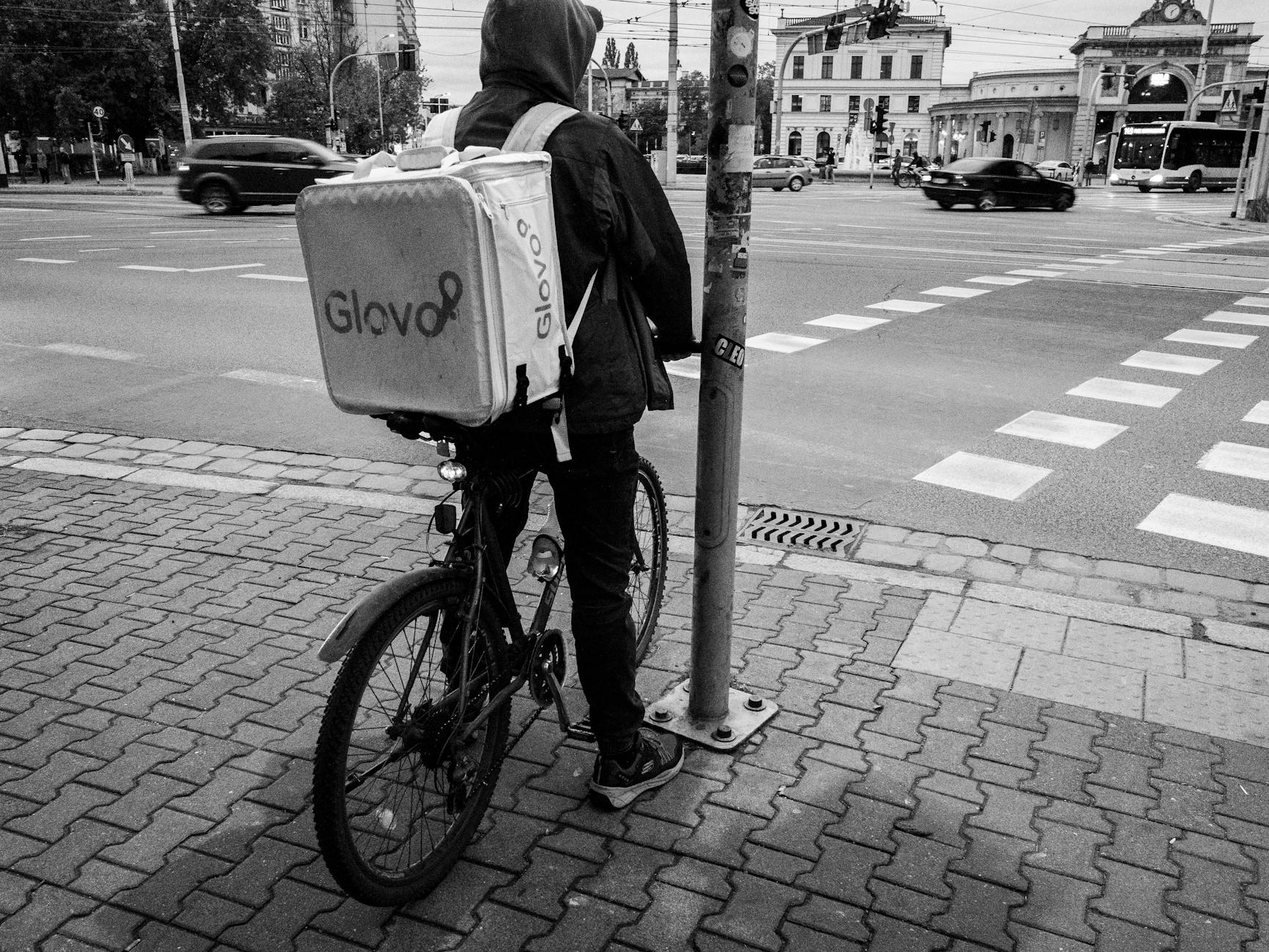
Example: Doordash dispatch algorithm might favor drivers who are closer to restaurant pickups, meaning a driver who wants to pause for a break might find themselves consistently offered fewer and less lucrative delivery opportunities upon returning.
The Illusion of Entrepreneurship
Gig platforms often frame their workers as independent contractors and small business owners. This classification allows platforms to avoid many of the costs and responsibilities associated with traditional employment, such as minimum wage, overtime pay, sick leave, health insurance, and retirement contributions. While some individuals may thrive in this model, for many, it effectively strips away the safety net that traditional employment provides.
Example: A freelance graphic designer on Upwork might be highly skilled and manage their own business. However, a food delivery driver or rideshare operator often has significantly less control over their client base, pricing, and working conditions, making the “independent contractor” label a legal loophole rather than an accurate descriptor of their professional autonomy.
The Economic Realities: Low Pay and Hidden Costs
Beneath the surface of convenience and accessibility, the economic realities for many gig workers are often bleak. The advertised rates per task or hour rarely reflect the actual take-home pay after expenses and deductions.
The Race to the Bottom: Declining Earnings
As more workers enter the gig economy, competition intensifies. Platforms often respond by lowering pay rates or increasing the number of tasks assigned, leading to a “race to the bottom” where workers must hustle harder for less pay. The constant need to stay online and accept available jobs can be exhausting and unsustainable.
Example: In the early days of ridesharing, drivers might have enjoyed higher per-mile rates. However, as more drivers joined and platforms sought to become more competitive for passengers, those rates have steadily declined, requiring drivers to complete more trips to earn the same amount.
Unreimbursed Expenses: The Worker’s Burden
Gig workers are typically responsible for all their own operating expenses. This includes:
- Vehicle maintenance and fuel: For rideshare and delivery drivers, this is a significant and ongoing cost.
- Equipment: Depending on the gig, this could include smartphones, charging equipment, insulated bags for food delivery, or specialized software.
- Insurance: Many gig workers need commercial insurance for their vehicles, which is more expensive than personal insurance.
- Taxes: As independent contractors, gig workers are responsible for calculating and paying their own self-employment taxes, often at a higher rate than employees.
These costs eat into already potentially low earnings, making it difficult to achieve financial stability.
Example: A delivery driver earning $20 per hour on paper might actually be making $10-$12 per hour after accounting for gas, wear and tear on their car, and insurance.
The Lack of Benefits: A Costly Trade-off
The absence of traditional employment benefits is a major drawback. Without paid sick leave, workers are forced to choose between earning an income and recovering from illness or injury. The lack of employer-sponsored health insurance can be a significant financial burden, especially in countries where healthcare is expensive. Similarly, the absence of retirement plans means workers must shoulder the full responsibility for their long-term financial security.
Example: A gig worker who gets the flu might have to continue working to pay their rent, potentially spreading illness to others and exacerbating their own condition.
Power Imbalances and Exploitative Practices
The business models of many gig economy platforms are designed to maximize profit for the platform, often at the expense of worker well-being and consumer interests. This can manifest in various exploitative practices.
Wage Theft and Misclassification
A significant legal battleground in the gig economy revolves around the classification of workers. Critics argue that many gig workers are, in essence, employees who are being misclassified as independent contractors to avoid labor laws. This misclassification can lead to illegal wage theft, as workers are denied minimum wage, overtime, and other protections.
Case Study: Numerous lawsuits have been filed against companies like Uber, Lyft, and DoorDash in various jurisdictions, challenging their classification of drivers as independent contractors. Rulings have varied, highlighting the ongoing legal debate.
Opaque and Unfair Termination Policies
Deactivation, or the banning of a worker from a platform, can happen abruptly and without adequate explanation. A single low rating from a disgruntled customer, a minor policy violation, or even an algorithmically flagged activity can lead to the loss of income. The appeals processes are often opaque and offer little hope for reinstatement, leaving workers in a precarious position.
Example: A rideshare driver might be deactivated after a passenger falsely claims they were rude, with no opportunity to present their side of the story or have a human review the situation.
Data Exploitation and Privacy Concerns
Gig platforms collect vast amounts of data on their workers and customers. While this data is used to optimize services, concerns exist about how this data is used and protected. Workers may feel their every move is tracked, analyzed, and used against them, while consumer privacy can also be compromised through data breaches or marketing practices.
Rent-Seeking Behavior
Gig platforms often act as intermediaries that extract a significant “rent” from each transaction. They connect service providers (workers) with customers, and for this service, they take a substantial cut of the revenue. As the platforms gain market dominance, they can increase these fees, further reducing worker earnings without necessarily improving the service.
Example: A food delivery platform might charge restaurants a commission of 15-30% for each order placed through their app, while also taking a delivery fee from the customer and potentially paying the driver a fraction of the total cost.
Broader Societal and Economic Impacts
The proliferation of the gig economy has far-reaching consequences that extend beyond individual workers and platforms.
Undermining Traditional Employment Standards
The widespread adoption of the gig model can exert downward pressure on wages and benefits across the broader labor market. As more companies see the cost savings associated with using contract workers, they may be less inclined to offer traditional employment with its associated protections. This can lead to a hollowing out of middle-class jobs and a rise in precarious work.
Impact on Public Services and Social Safety Nets
When a large segment of the workforce lacks access to employer-sponsored benefits like health insurance and retirement plans, the burden shifts to public services and social safety nets. This can strain government resources and create a greater need for public assistance programs.
The “Uberization” of Everything
The success of gig platforms has inspired the “uberization” of various industries, from cleaning services and pet care to even professional services. While this can increase convenience and accessibility for consumers, it also risks replicating the same labor issues across a wider range of sectors.
Consumer Convenience vs. Worker Welfare
There’s a fundamental tension between the convenience and low prices that gig platforms offer consumers and the often exploitative conditions faced by the workers who provide these services. Consumers often benefit from these services without fully understanding or considering the true cost borne by the gig workers.
Example: A consumer might order a meal delivery for $15, unaware that the driver received only $3-$4 for the delivery after platform fees and expenses.
The Case for Reform: Towards a More Equitable Gig Economy
The critique of the gig economy does not necessarily call for its outright abolition but rather for significant reform to create a more just and sustainable model for workers and society.
Worker Classification and Rights
One of the most critical areas for reform is worker classification. Many argue that gig workers who have little control over their work, are economically dependent on the platform, and perform services integral to the platform’s business should be classified as employees. This would entitle them to:
- Minimum wage and overtime pay
- Sick leave and paid time off
- Employer contributions to social security and unemployment insurance
- Workers’ compensation
- The right to organize and collectively bargain
Algorithmic Transparency and Fairness
Platforms need to be more transparent about their algorithms. Workers should have:
- A clear understanding of how tasks are assigned, how pay is calculated, and what factors influence ratings.
- Robust and fair dispute resolution processes for algorithmic decisions, including deactivation.
- Protection against algorithmic bias.
Fairer Pay Structures and Expense Reimbursement
- Guaranteed minimum earnings: Platforms should ensure a minimum earning floor that accounts for minimum wage and basic expenses.
- Reimbursement for essential expenses: For certain types of gig work (e.g., delivery, rideshare), platforms could contribute to or directly cover costs like fuel, maintenance, or insurance.
- Increased transparency on commission/fees: Clearer breakdowns of how platform fees impact worker earnings.
Portable Benefits and Social Safety Nets
- Portable benefits systems: As traditional employment with benefits declines, the development of portable benefits (health insurance, retirement savings) that are tied to the individual worker rather than a specific employer becomes crucial.
- Universal basic services: Governments can play a role in providing a stronger social safety net, such as universal healthcare or robust unemployment insurance, to cushion the effects of precarious work.
Consumer Awareness and Ethical Consumption
Consumers also have a role to play. By understanding the true costs of gig economy services, consumers can make more informed choices. Supporting worker cooperatives or platforms that prioritize worker well-being can help drive positive change.
Conclusion: The Indispensable Worker
The gig economy, while offering undeniable conveniences and opportunities, has revealed a darker truth: a system that often prioritizes profit over people, leveraging technology to create a workforce that is increasingly precarious, underpaid, and unprotected. The illusion of freedom masks a reality of economic insecurity and algorithmic control.
The critical challenges lie in how we navigate this evolving landscape. Ignoring the plight of gig workers is not only a moral failure but also an economic one, as it risks eroding labor standards and straining our social fabric. Reforming the gig economy is not about stifling innovation, but about ensuring that innovation serves humanity, creating a future where flexibility and opportunity do not come at the cost of dignity and basic human rights. It’s time to acknowledge the indispensable role of gig workers and demand a fundamental shift towards a more ethical, equitable, and sustainable future of work.